

Ninh Binh: The Magnificent Ancient Capital
Ninh Bình is a province of Vietnam in the Red River Delta region of the northern part of the country. The province is famous for a high density of natural and cultural attractions, including reserved parks in Cuc Phuong National Park and Van Long, grotto caves and rivers in Trang An, Tam Coc - Bich Dong and Múa Caves, historic monuments in the Hoa Lu ancient capital, Vietnam's largest buddhist worshipping complex (Bai Dinh Temple), and the Phat Diem Cathedral with "eclectic architectural style". Thanks to its adjacency to Hanoi, day trips from the capital are easily manageable.
MUST-SEE PLACES
TAM CHUC PAGODA

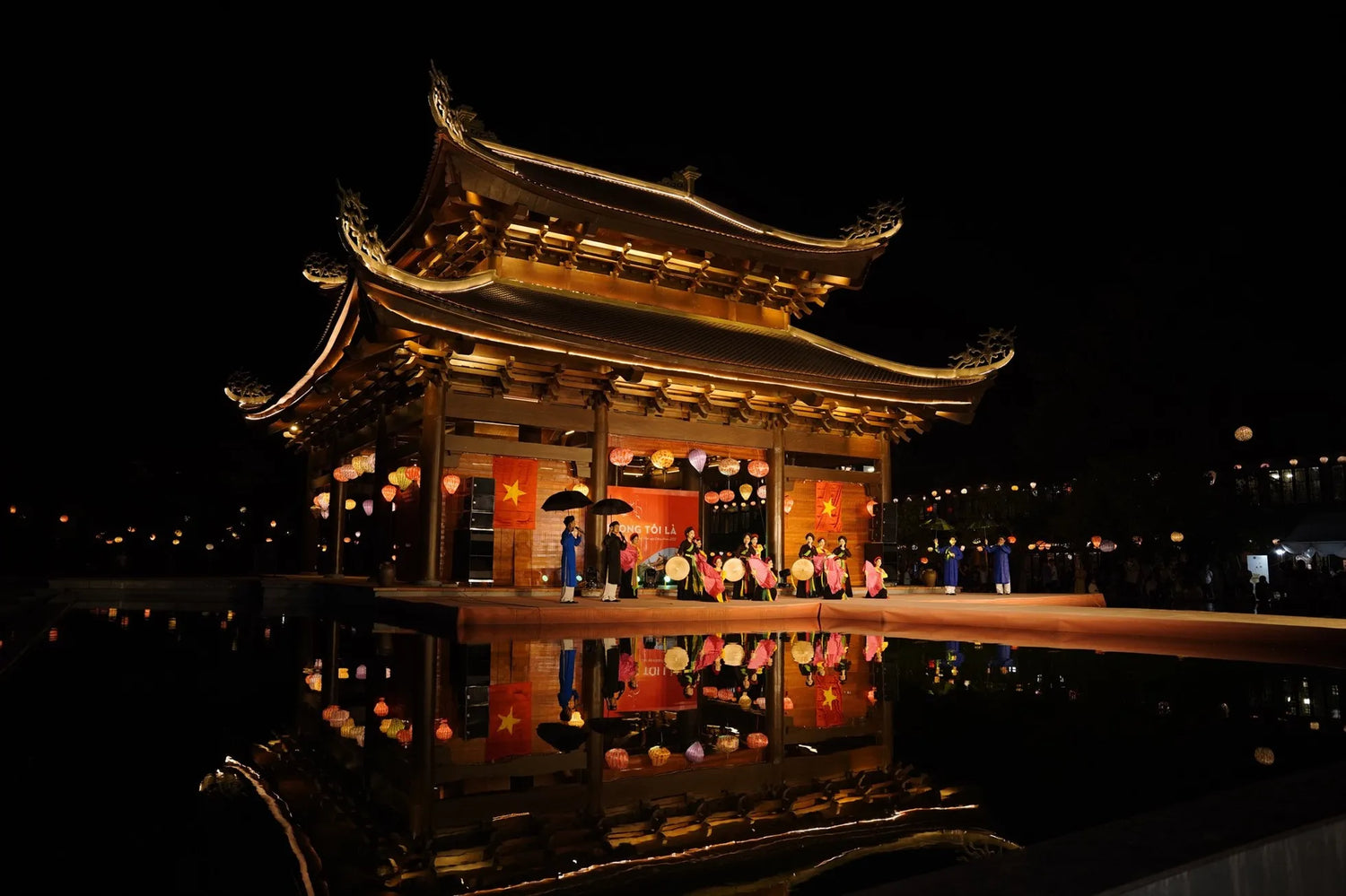
Tam Chuc Pagoda is situated in Tam Chuc Ward, Ninh Binh Province. It is a part of the Tam Chuc travel complex spanning over 5100 hectares (12,600 acres) and is considered at the top of the world’s biggest pagodas. This destination is well-known for the harmony of magnificent, ancient temples and lovely scenery.
BAI DINH - TRANG AN - TAM COC

Bai Dinh Pagoda is an acclaimed pagoda complex that has set numerous records in Vietnam and Asia. It holds the record for the largest bronze gilded Buddha statue in Asia and the longest corridor of Arhat statues in Asia, with a total of 500 statues. It also houses the largest bronze statue of Maitreya Buddha in Southeast Asia. Beyond its beauty and popularity as a tourist attraction, Bai Dinh Pagoda holds significant importance for the Vietnamese Buddhist community.
Trang An and Bai Dinh pagoda form a unique mountainous temple complex, a one-of-a-kind national scenic spot that seamlessly combines natural beauty with spiritual tourism.
Tam Coc is famous for its stunning landscapes of limestone mountains, rice paddies, and rivers, often called "Ha Long Bay on Land"
Overall, the Trang An Scenic Landscape Complex, Tam Coc - Bich Dong, Bai Dinh Pagoda long with the ancient capital of Hoa Lu are recognized by UNESCO as a cultural and natural heritage site.
HOA LU ANCIENT CAPITAL CITY

Hoa Lu Ancient Capital in Ninh Binh, Vietnam, wasthe nation's first capital from 968 to 1009 AD, serving as the political, cultural, and economic heart under the Dinh and early Le dynasties before the capital moved to Hanoi. This UNESCO World Heritage site is known for its stunning limestone mountain setting, historical temples honoring its founding emperors (Dinh Tien Hoang and Le Dai Hanh), and ancient earthen fortifications, offering a glimpse into early Vietnamese royal history.
THUNG UI


Located in Western Hoa Lu Ward, Dan Kinh Thien – Thung Ui is historically recognised as a ceremonial site where emperors of Vietnam’s feudal dynasties performed heaven-worshipping rites, one of the highest rituals in the court ceremonial tradition