
The Lý Dynasty (1009 - 1225)


The Lý dynasty officially Đại Cồ Việt from 1009 to 1054 and Đại Việt from 1054 to 1225, was a Vietnamese dynastythat existed from 1009 to 1225. It was established by Lý Công Uẩn when he overthrew the Anterior Lê dynasty. The dynasty ended when empress regnant Lý Chiêu Hoàng (then 8 years old) was pressured to abdicate the throne in favor of her husband,Trần Cảnhin 1225, the dynasty lasted for 216 years. During Lý Thánh Tông's reign, the official name of the state was changed from Đại Cồ Việt to Đại Việt, a name that would remain Vietnam's official name until the onset of the 19th century.
Origin and foundation
The last emperor of the Anterior Lê dynasty, the unpopular Lê Long Đĩnh, died in 1009. His crown prince son was still very young and could not take over power from his own father. Members of the imperial court, including the official Đào Cam Mộc and the Buddhist monk Vạn Hạnh, decided to install general Lý Công Uẩn to become the new emperor of Đại Cồ Việt.
The first ruler of the Lý dynasty, Lý Công Uẩn, was of Min Chinese ancestry (from Min kingdom, today's Fujian province). The identity of his birth-father is unknown; likewise, little is known about his maternal side except that his mother was surnamed Phạm. Very few direct details about his parents (unknown birth-father, mother, and adoptive father Lý Khánh Văn) are known, however, the ethnic Chinese background of Lý Công Uẩn, at least on his paternal side, had been accepted by Vietnamese historian Trần Quốc Vượng. The Lý clan of Lý Công Uẩn's adoptive father Lý Khánh Văn was a Vietic Tao-hua clan that originated from the highland regions in Feng district.
Công Uẩn himself was born in 974 CE in Cổ Pháp region, Bắc Giang circuit (now in Từ Sơn, Bắc Ninh Province, Vietnam). When he was three years old, Công Uẩn was adopted by a monk of Cổ Pháp pagoda named Lý Khánh Văn, whose surname Công Uẩn inherited. The good-looking and intelligent Công Uẩn was noted as an extraordinary child by Buddhist Zen master Vạn Hạnh. When mature, he joined the palace guard and rose through the ranks to commandership. In 1009, Công Uẩn succeeded Lê Long Đĩnh of the Lê family, thereby founding the Lý dynasty.

Moving the capital
After a year of enthronement, in 1010, Lý Thái Tổ started to move the capital from Hoa Lư (Ninh Bình) to Đại La (Hà Nội), and renamed it as Thang Long. He wrote the Edict on the Transfer of the Capital to announce his plan to move to the new place.
This decision had a marked influence on Vietnam, which opening the flourishing era of the dynasty. Following dynasties such as Trần, Lê and Mạc continued to use Hà Nội as their capital, as does today's modern Vietnam.
The three princes crisis
In 1028, Lý Thái Tổ died at the age 55 with Posthumous name Thần Vũ hoàng đế, he was buried at Thọ Lăng imperial tomb.
In his funeral, most of his mandarins expected crown prince Lý Phật Mã (Prince Khai Thiên) to assume the throne. However, three of his brothers: Prince Đông Chinh (Đông Chinh vương), Prince Dực Thánh (Dực Thánh vương) and Prince Vũ Đức (Vũ Đức vương) rejected the decision and attacked the imperial palace with their own armies to take Prince Khai Thiên's throne.
Lý Phật Mã discovered the plot, he ordered all the gates of palace to be closed and arranged guards for protection. However his eunuch Lý Nhân Nghĩa advised him to engage with betrayers. Lý Phật Mã decide to let Lý Nhân Nghĩa to lead the imperial army to fight against his brothers. Lý Nhân Nghĩa succeeded in his campaign and caught Vũ Đức Vương, while the two other princes escaped. Lý Phật Mã then enthroned and take the temple name Lý Thái Tông. He grant mercy to all those who tried to opposed him and pardoned his two brothers Đông Chinh vương and Dực Thánh vương, letting them return to their former positions. The emperor issued a rule requiring government officials to make an annual pledge of loyalty, with heavy punishments for those who avoided.

Golden Era
From the reign of Lý Thái Tổ with the other emperors, the Lý dynasty began to focus on solving some major and minor situations:
- Strengthen internal rule: the economy was promoted to high progress, especially agriculture. The government introduced "Hình thư" (Ministry of Punishments) as the first system of law and legislation of Vietnam after gaining independence from China and opened the education system based on imperial examination of China
- Strengthen territory reigning : The imperial court tried to expand their influence to the remote areas by managing the marriage policy such as giving princesses to marry with the other local lords for closer relationships with imperial family. To conciliate those who were not loyal to the government, the emperor will order princes to eliminate the revolts.
- Protecting country from foreigners: Resolve and reconcile some minor issues with Song dynasty, fighting against the invasions of Nanzhao and Champa.
One of the big events of the Lý dynasty is changing the name of the country from Đại Cồ Việt (大瞿越) to Đại Việt (大越) in 1054 under the reign of Lý Thánh Tông. During the Lý dynasty, the Vietnamese began their long march to the south (Nam tiến) at the expense of the Chams. In 1069, Champa Kingdom gained support from the Song dynasty and stopped paying tribute to Đại Việt. As the result, the emperor Lý Thánh Tông ordered an expedition against Champa and successfully captured King Rudravarman III of Champa. Rudravarman III had to sign a treaty with Lý Thánh Tông to cede three territories Địa Lí, Ma Linh and Bố Chính (modern Quảng Trị and Quảng Bình) to Đại Việt in exchange for his release. Champa also had to restore the tributary system to Lý dynasty.
The Lý Emperors supported the improvement of Vietnam's agricultural system by constructing and repairing dikes and canals and by allowing soldiers to return to their villages to work for six months of each year. As their territory and population expanded, the Lý Emperors looked to China as a model for organizing a strong, centrally administered state.
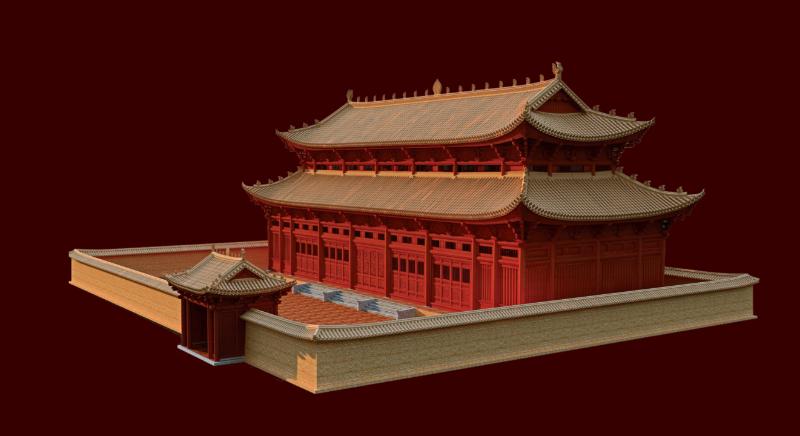
In 1070, Lý Thánh Tông ordered the construction of the Imperial Academy (Quốc Tử Giám) and the confucian Văn Miếu Temple to boost education. Minor officials were chosen by examination for the first time in 1075, and a civil service training institute was set up in 1076. In 1089 a fixed hierarchy of state officials was established, with nine degrees of civil and military scholar officials. Examinations for public office were made compulsory, and literary competitions were held to determine the grades of officials.
Emperor Lý Thánh Tông died in 1072, the crown prince Càn Đức was enthroned at 7 as emperor Lý Nhân Tông. Empress Dowager Dương became regent, but was toppled the next year by a plot by Lý Nhân Tông's mother, Concubine Ỷ Lan. She ordered the former Empress to be buried alive in the emperor's mausoleum along with over 70 servants. Ỷ Lan then became regency with help of Chancellor Lý Thường Kiệt.
In the 1050s, tensions between Đại Việt and the Song dynasty became high. In 1075, Wang Anshi, the chancellor of the Song dynasty, told Emperor Shenzong that Đại Việt was destroyed by Champa, with less than ten thousand soldiers surviving, so it would be a good occasion to annex the country. The Song emperor then mobilized his troops, this prompted the Emperor Lý Nhân Tông to authorize a preemptive invasion into Song territory. Lý Thường Kiệt lead an army to capture Qinzhou, Lianzhou and laid siege to Yongzhou (present day Nanning). Yongzhou fell in 1076, its populace of 58,000 were massacred. The Song sent a great army to invade Đại Việt but Lý Thường Kiệt managed to stop them at the Battle of Như Nguyệt (1077). The Song and Dai Viet would then make a peace treaty. The Song returned its conquered lands to Đại Việt and recognized Lý Nhân Tông as King of Nam Bình.
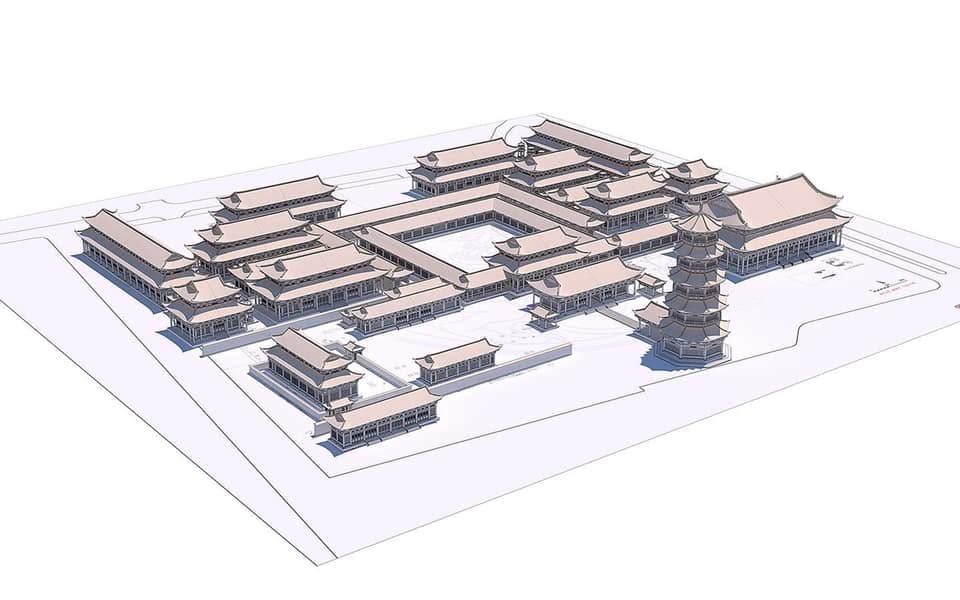
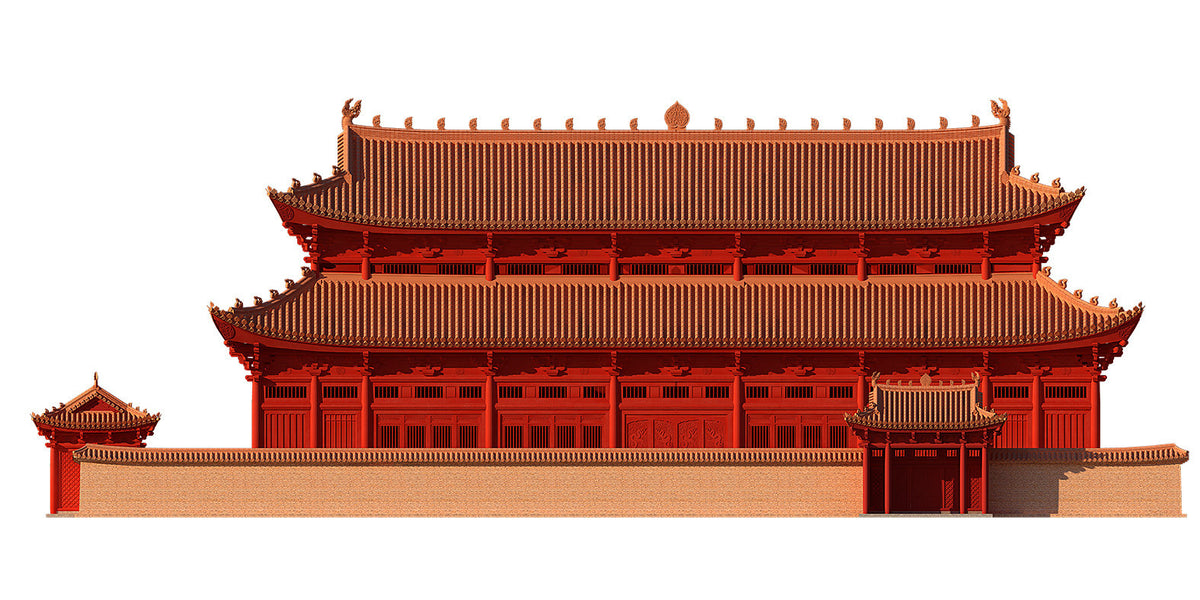
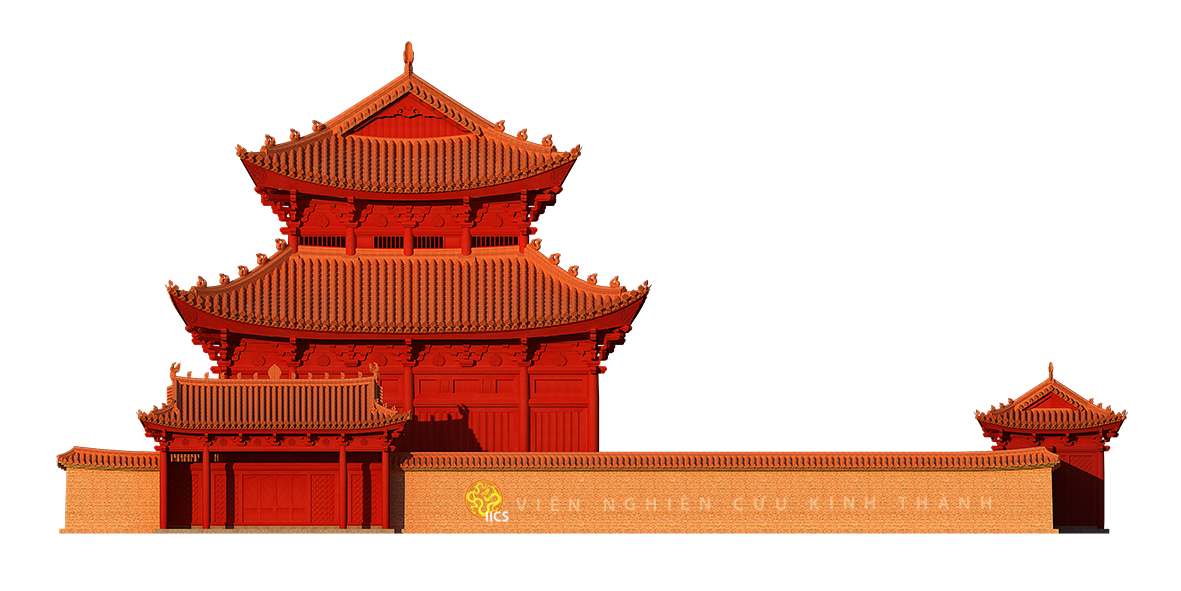
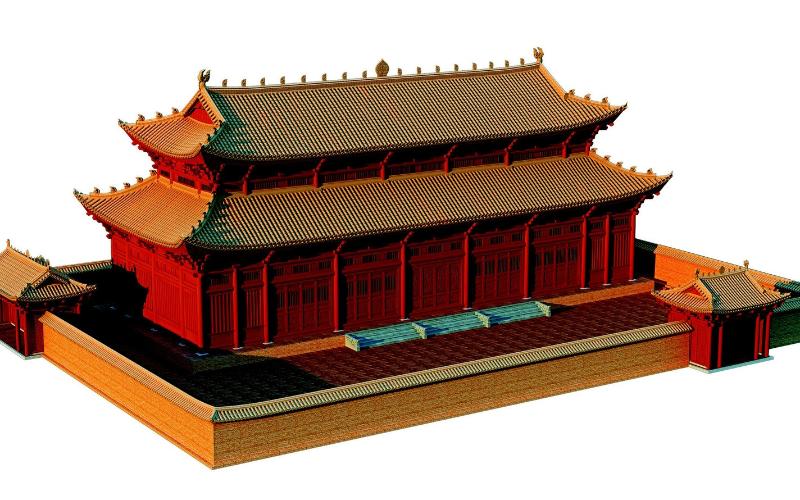

Succession Crisies and Regencies
Emperor Lý Nhân Tông was the longest reigned ruler in the history of Vietnam. As he was childless, his nephew Lý Dương Hoán, who he adopted, was chosen to be the crown prince. Lý Nhân Tông died in 1128. Lý Dương Hoán was enthroned at age 11 and took temple name Lý Thần Tông. The death of Lý Nhân Tông had marked the transition of succession from the main line to the cadet line. Lý Thần Tông would die young after ruling for 10 years. Crown prince Lý Thiên Tộ then enthroned as Emperor Lý Anh Tông at 3 year old.
Thần Tông's Empress Cảm Thánh became regency. Her lover Commandant Đỗ Anh Vũ (杜英武) would rise into power in the court. This was met with opposition from other mandarins and imperial members, who staged to arrest Đỗ Anh Vũ. However, by the empress's intervention, he was not killed but instead banished as a peasant. The empress dowager used her influence to restore the position for Anh Vũ, he was subsequently pardoned and took revenge on the people who tried to arrest him. The emperor unwillingly had to approve it and Anh Vũ's enemies were impeached then executed. Đỗ Anh Vũ died in 1158. Tô Hiến Thành, a relative of Anh Vũ, later become the chancellor. Different from his brother in law, Tô Hiến Thành was loyal to the Lý court, his skills and talents were proven in organizing successful military campaigns against the Thân Lợi and Ngưu Hống rebellions.
In 1174, Lý Anh Tông's crown prince Lý Long Xưởng was involved in debauchery with a concubine of the emperor, he was made retired from the titled and replaced by Lý Long Cán. In 1175, emperor Anh Tông died at aged 40, the young Lý Cao Tông was enthroned with Tô Hiến Thành again holding the regency.
Lý Cao Tông became the emperor at three. His mother, Concubine Đỗ became Chiêu Thiên Chí Lý Empress dowager. Her younger brother Đỗ An Di became Consort kin and Tô Hiến Thành was still a regent and teacher to teach the emperor. Empress Chiêu Linh, mother of the deposed Prince Lý Long Xưởng tried to take the throne back for his son but failed because of Tô Hiến Thành's determination.
In 1179, Chancellor Tô Hiến Thành died when emperor Cao Tông was only six and Đỗ An Di replaced him as regent. In 1188, Đỗ An Di died and Ngô Lý Tín replaced him until his death in 1190. Then, Đàm Dĩ Mông, the younger brother of Empress An Toàn, became regent.
Emperor Lý Cao Tông pursued a corrupted policy in which rich people could buy themselves to become high rank officials, which led the nation into crisis. He enjoyed the luxury life and exploit his people to build him palaces, resulting in the hatred of people being cumulated and revolts happened.


Rebellions and Civil War
The Quách Bốc rebellion was the main reason of weakening the dynasty. In 1207, the Governor Đoàn Thượng of Hồng Châu (now Hải Dương and Hải Phòng provinces) began the revolt against the court. The emperor ordered generals Phạm Bỉnh Di, Phạm Du, Đàm Dĩ Mông and the others to lead army to suppress the revolt. Nevertheless, Đoàn Thượng corrupted Phạm Du to retreat his infantry and persuade emperor to retreat all soldiers.
Phạm Du was then sent to train the military in Nghệ An but he started to recruit criminals for his own agenda. Emperor Cao Tông dispatched Phạm Bỉnh Di to capture Phạm Du, Du lost the battle and fled to Hồng province.In 1209, Phạm Bỉnh Di had victory over the Đoàn Thượng rebels. The emperor then summoned Du back to Thăng Long but Du slandered Phạm Bỉnh Di to prove himself innocent. Cao Tông trusted Du's accusation and ordered to capture Phạm Bỉnh Di and his son (Phạm Phụ). Upon the capture of his lord, Quách Bốc (郭卜), a general of Bỉnh Di, decided to assault the imperial palace to rescue his master. Emperor Cao Tông had Bỉnh Di and his son killed and they both fled to Phú Thọ. Quách Bốc captured the imperial palace and installed Prince Lý Thầm to be the new emperor.
Prince Lý Hạo Sảm fled to Hải Ấp with his mother Empress An Toàn, where they met the leader of Trần clan, Trần Lý and general Tô Trung Từ, both support Lý Hạo Sảm as the emperor. Lý Hạo Sảm was then married to the daughter of Trần Lý, Trần Thị Dung. Emperor Lý Cao Tông put a fight against Sảm but failing to reclaim the throne. Finally, Trần Lý led the army against Quách Bốc and ended the rebellion. However the Đại Việt kingdom was already in partition by many warlords.
In 1210, Lý Cao Tông died. Lý Hạo Sảm was enthroned as Emperor Lý Huệ Tông. General Tô Trung Từ gained too much power that he was killed by other officials. His nephew Trần Tự Khánh, amassed an army and threatened the capital. Emperor Huệ Tông then turned to warlord Đoàn Thượng who rebelled earlier for help, but they were defeated by Tự Khánh. The emperor had to escape to Lạng Sơn.
In 1214, Tự Khánh installed the Emperor Lý Nguyên Hoàng as a puppet ruler. At the same time, Nguyễn Nộn, a warlord attacked the capital and burnt all the palaces, forcing Tự Khánh and Emperor Nguyên Hoàng to move to Hà Nam. The country is again divided by multiple warlords, the major ones being Nguyễn Nộn, Tự Khánh and Đoàn Thượng.
In late 1214, Trần Tự Khánh forces retook the capital and gradually managed to conquered the warlords. In 1217, Đoàn Thượng surrendered to the court, he was pardoned and granted title of Prince of Hồng. By the end of 1220, all the minor warlords excepts Nguyễn Nộn, were subdued. Nguyễn Nộn himself later died of illness in 1229.
The Rise of Trần Clan
In winter 1216, Trần Thị Dung was granted the title Empress. People of Trần clan were then promoted to several important positions in the court: Trần Tự Khánh became chancellor, his brother Trần Thừa was titled Marquis, Trần Thừa's son Trần Liễu was titled Prince of Phụng Cần.
In 1217, Emperor Lý Huệ Tông suffered a serious illness and became mentally ill. He occasionally called himself the Heaven General and would dance all day long holding his sword and shield. By this time, most of the court matters are managed by chancellor Trần Tự Khánh and not by the emperor anymore, the court power base gradually switched to the Trần clan. In 1223, the chancellor Trần Tự Khánh died, Trần Thừa replaced his position and was given even more privileges from the Emperor.
Abdication of Lý Chiêu Hoàng
Emperor Huệ Tông did not have a son as heir. Captain Trần Thủ Độ (Trần Thừa's cousin) then decided the emperor's second daughter Princess Chiêu Thánh will be crowned as Queen of Đại Việt. In 1224, Huệ Tông abdicated and gave the throne to the crowned princess. Lý Chiêu Hoàng, at 6 years old, became the first reigning queen of Vietnam.
Trần Thủ Độ took on his hand all the daily handling of the Lý court. He brought his nephew Trần Cảnh (the second son of Trần Thừa) to become the confidant of young Queen. Both of them then had blossom closed relationship. In aim to overthrow the rule of Lý dynasty, Trần Thủ Độ arranged their marriage in the next year. Trần Cảnh later became the Consort of Lý dynasty. In 1226, Trần Thủ Độ forced Lý Chiêu Hoàng to give the throne to Trần Cảnh, Trần Thừa became the Regent Retired Emperor. The rule of Lý was formally transferred to Trần. The former emperor Huệ Tông was forced to commit suicide at Chân Giáo Temple. The Lý aristocrats were then massacred in 1232 by Thủ Độ. The Lý dynasty ceased to exist and Trần dynasty was officially established.
After the Lý dynasty was toppled, some imperial members of the clan escaped to Korea and became generals of Goryeo dynasty.
